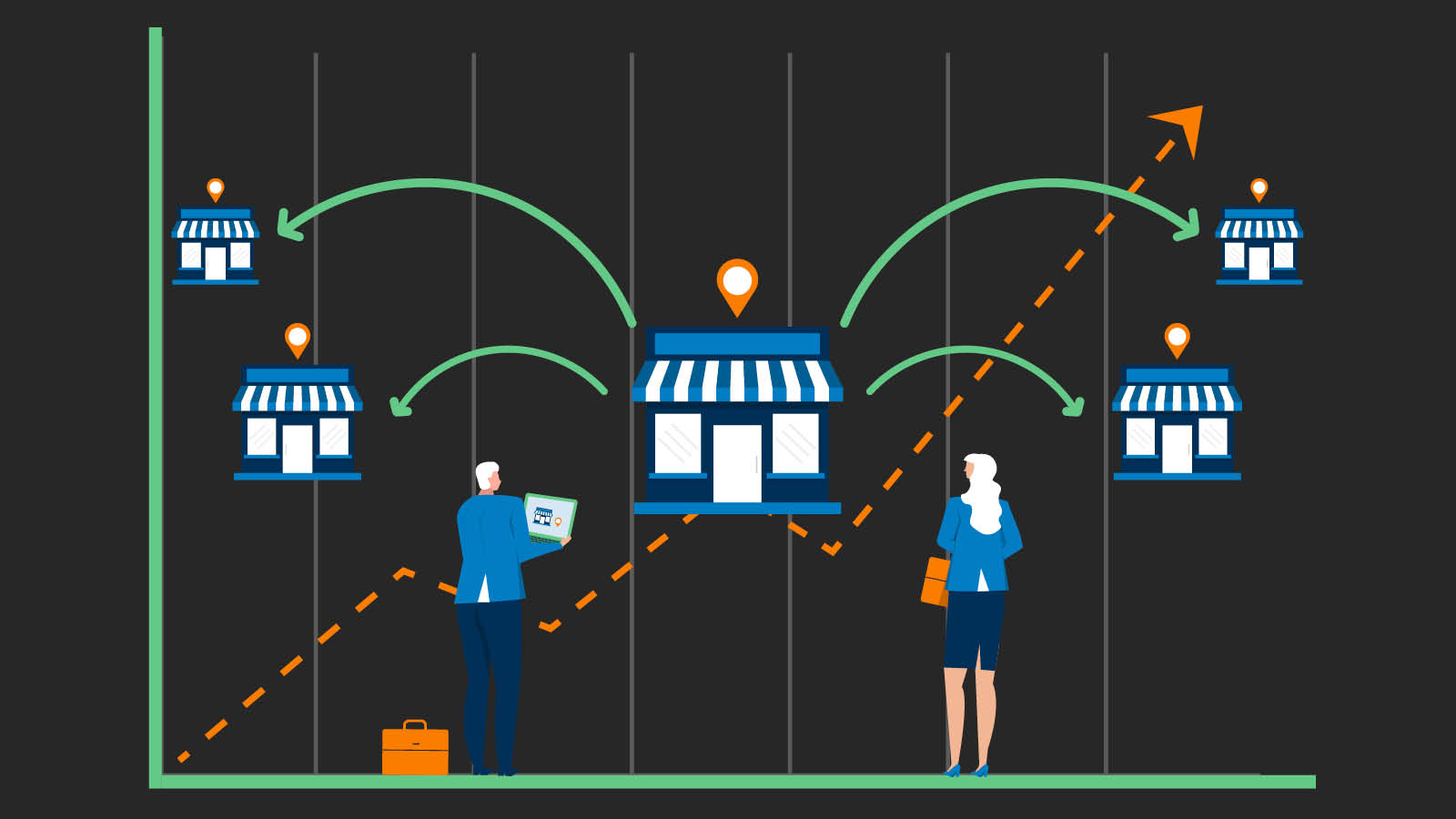
When first getting started, every new entrepreneur must ask themselves: Do I want to build something entirely on my own, or step into an existing system? In other words, deciding between owning a franchise vs. starting a new business on your own.
Everyone’s entrepreneurial journey looks a little different and, as each path comes with very different tradeoffs, there’s no one-size-fits-all answer. What matters most is making a confident, informed decision that fits your goals, your resources, and the kind of owner you want to be.
Owning a Franchise vs. Starting a Business: What’s the Difference?
When you launch a business, there is an important early decision to be made: new business or franchise ownership.
You could launch a brand new business endeavor, essentially building everything yourself. The upside of this approach is full autonomy. You name the company, shape the brand, set the culture, and make every call. The downside is that there’s no existing framework. You’ll need to configure all systems, pricing, and processes as you go.
Or you could purchase a franchise, which means licensing an established brand and stepping into an existing model. You essentially operate under a recognized name, with built-in systems and support. You’re still the business owner, but you trade some autonomy for structure and support from day one.
Both paths can lead to a thriving business. So, when you’re weighing owning a franchise vs. starting a new business, it helps to compare three key factors: cost, support, and control.
Owning a Franchise vs. Starting a Business: How Do Start-Up Costs Compare?
Both routes typically come with some kind of initial investment. The biggest differentiator is often predictability.
When you start a new business, expect to cover:
- Foundational startup expenses. These are the core costs associated with launching any new business and may include items such as logo design, software subscriptions, website development, and lead generation.
- Self-directed business development costs. As a new business owner, you’ll typically research, source, and select vendors, tools, and services on your own. Costs for branding, marketing, technology, legal support, and staffing can vary significantly based on your goals, industry, and market.
- Costs that may evolve over time. Because you’re building systems and processes from the ground up, some expenses may be difficult to estimate until the business becomes fully operational.
When you own a franchise, you should typically expect to pay:
- An upfront initial franchise fee. This is a one-time fee that grants you a right to use the marks and system of a brand.
- Startup costs tied to an established system. Franchise startup expenses are often based on a predefined operating model, which can provide a clearer picture of the investment needed before opening.
- Ongoing franchise-related fees. These include recurring costs – such as royalties or marketing fees – along with other financial obligations associated with operating the franchise.
With a franchise, fees and ongoing obligations will be outlined in the Franchise Disclosure Document.
It’s also important to note that franchisees can potentially benefit from volume-based discounts and special pricing that third-party vendors extend to the whole network. This factor could be key to your cost-benefit analysis.
Owning a Franchise vs. Starting a Business: What Does Your Support System Look Like?
Running a business is challenging, and the support available to you can shape everything from your startup experience to your day-to-day operations.
One of the biggest differences between owning a franchise and starting a new business is where that support comes from. Franchise owners typically gain access to built-in resources and guidance from day one, while solo business owners build their own network of advisors and professional partners over time.
Many franchise systems provide a network of support that may include:
- Initial and ongoing education
- Operational guidance and documented processes
- Marketing resources, brand assets, and vendor relationships
- Access to a community of fellow franchisees who have faced similar challenges
New business owners have the freedom to select their own tools, vendors, and strategies. However, they are also responsible for identifying, evaluating, and implementing those resources themselves.
Many entrepreneurs value this flexibility and focus on building strong support networks through mentors, industry associations, consultants, and professional service providers. The difference is that those relationships are typically developed from the ground up rather than provided through an existing system.
For some owners, having access to established systems can help reduce early trial-and-error. Others prefer the independence of building their own support structure from scratch.
Owning a Franchise vs. Starting a Business: How Much Control Do You Retain?
For some entrepreneurs, complete autonomy is the dream. For others, having guidance and established processes is a welcome advantage. When comparing a franchise vs. starting a business independently, one of the biggest questions is where you want to fall on the spectrum between flexibility and structure.
With a new business, you have the freedom to make decisions about branding, pricing, products, services, technology, marketing, and company culture. That flexibility also means you’re responsible for determining which strategies work and which don’t. Every major decision, from operational processes to customer acquisition, falls solely on the owner. With a franchise, many of those decisions have already been made through the franchisor’s established operating model. Franchisees typically follow brand standards, approved marketing guidelines, and documented procedures designed to create consistency across the network.
While this may limit flexibility, it can also reduce the need to build and test systems from scratch. Owners may spend less time building systems and more time executing them.
Neither approach is inherently better. Some entrepreneurs are energized by creating their own systems and making every strategic decision. Others prefer operating within an established framework while focusing their energy on achieving their goals.
Owning a Franchise vs. Starting a Business: Which Is Right for You?
It’s important to remember that neither entrepreneurial path is universally better. The right choice depends on what you value most as a business owner.
You may lean toward starting a new business if:
- You want maximum flexibility and creative control.
- You’re excited about building a brand and business model from the ground up.
- You’re comfortable making decisions without a roadmap.
You may lean toward franchising if:
- You prefer operating within an established framework.
- You value access to education, support, and brand recognition.
- You want greater visibility into startup requirements and operational expectations.
In many ways, the decision comes down to how you balance independence, structure, predictability, and flexibility. Both paths involve investment, effort, and business ownership responsibilities.
Whatever you choose, take the next step in exploring the realities. Think about what type of franchise business you would like to operate, research your local market and inquire with experienced operators.
With just a little legwork, the odds are good that you’ll find the right fit for you.
Key Takeaways
- There is no one-size-fits-all answer. The best choice depends on your goals, resources, experience, and preferred way of working.
- Newly established businesses offer maximum autonomy. Owners have complete control over branding, operations, and strategy, but are also responsible for building systems and processes from scratch.
- Franchises provide a structured business model. Franchisees operate within an established framework that often includes documented processes, brand standards, and operational guidance.
- Startup costs can differ in predictability. Newly established business costs can be hard to predict, while franchise costs and ongoing obligations are typically estimated upfront.
- Support systems look different in each model. Franchise owners often gain access to education, resources, and a network of peers, while new business owners build their support network over time.
- Control and responsibility go hand in hand. Greater flexibility often means greater responsibility for testing ideas, solving challenges, and creating business systems.
- Due diligence is essential regardless of the path. Whether you choose franchising or self-directed ownership, researching the opportunity thoroughly can help you make a more informed decision.
Published on August 10, 2026